Why homemade ice cream turns to ice
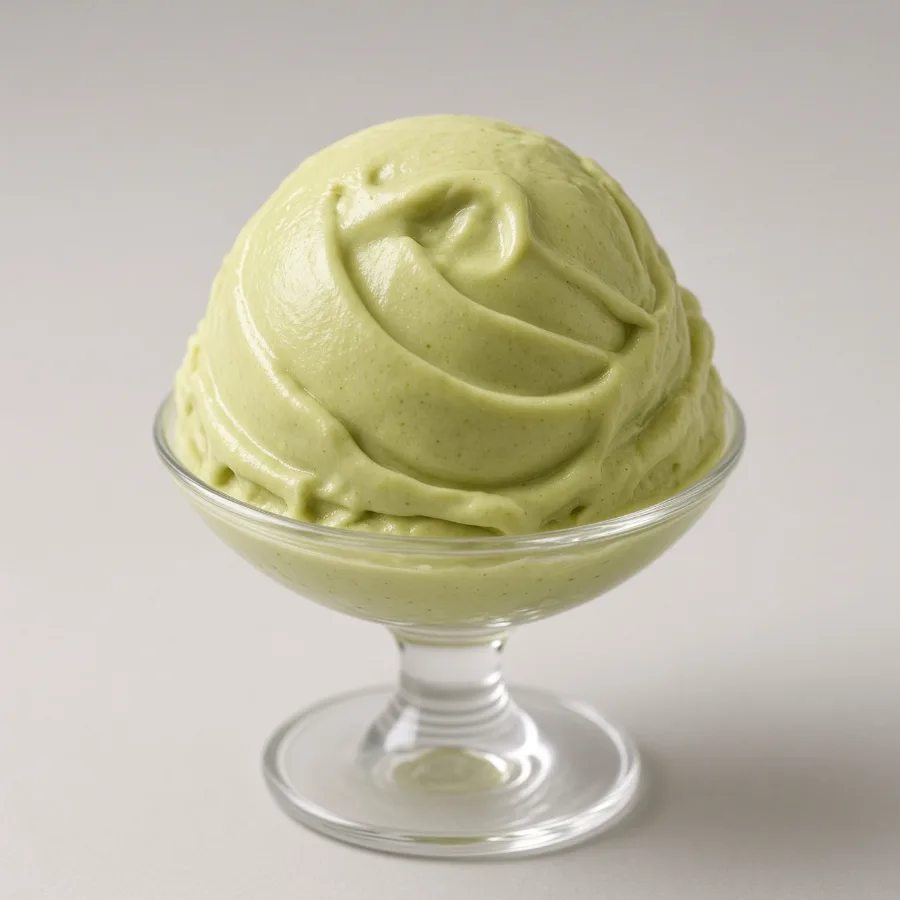
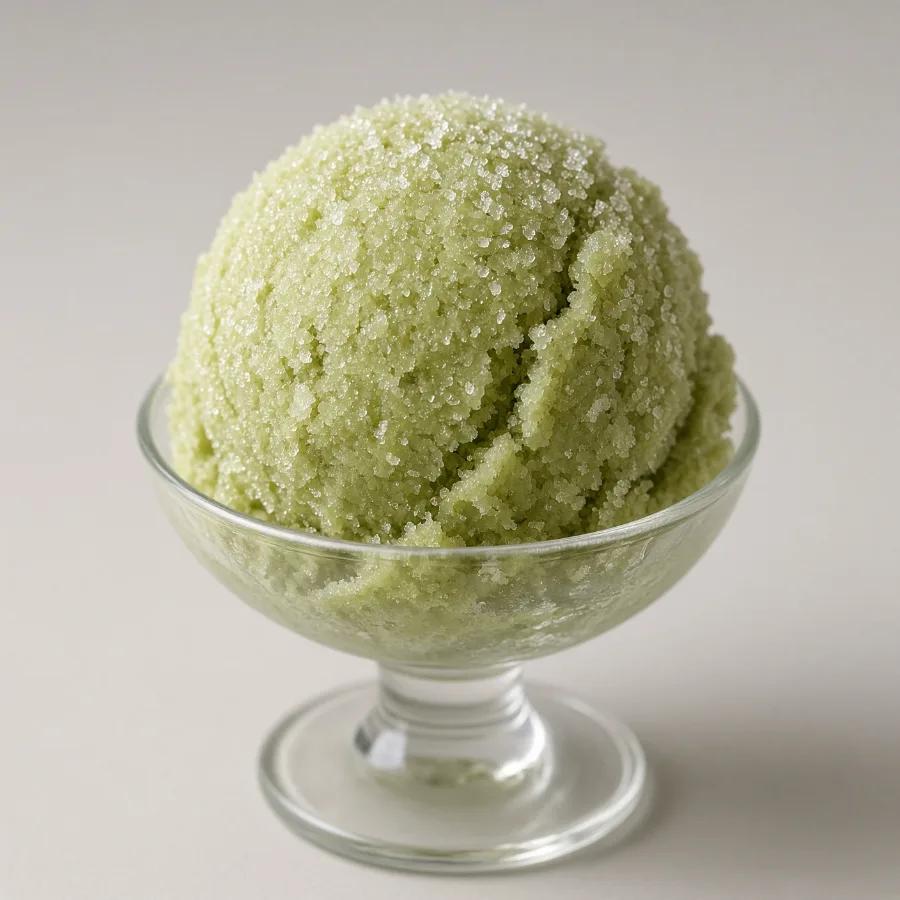
Machines like the Ninja Creami, Tefal Dolci and Moulinex Dolci don’t churn like a classic ice cream maker: you freeze the base first, then the machine shaves or blends it. If the recipe has too much free water and too little sugar and solids, big crystals form and the blade hits a block of ice. The result is powdery, grainy or rock-hard ice cream, even though the machine works perfectly.
Balancing to the gram: what it means
Every ice cream is a balance of water, sugars, fat, protein and milk solids. The ICED method calculates these parts for every recipe and for your container, so you know before freezing whether it will come out creamy. In the app you see it as a traffic light: green, yellow or red, before you even switch the machine on.
Freezing: 24 hours at −18 °C
The base must freeze for at least 24 hours at a constant −18 °C, with the container perfectly level and no lid for the first few hours, to avoid the ice dome in the middle. It’s the most underrated step: much of the final creaminess depends on it.
The right program and the second spin
Every recipe has its program: GELATO, ICE CREAM, SORBET, LITE ICE CREAM, depending on the machine. If the first spin comes out powdery, a second spin (RE-SPIN) with a spoonful of milk makes it creamy. Pieces like biscuits or chocolate go in at the end with MIX-IN.
Ninja Creami and Dolci: the same method
Containers and programs change from machine to machine, but the principle is the same: a well-balanced, properly frozen base. That’s why the ICED method works on all of them, and the app adapts the grams to your container: 480 ml for the Dolci, 480 ml for the Ninja Creami and 710 ml for the Deluxe.