The soul of cassata in 30 grams per teaspoon
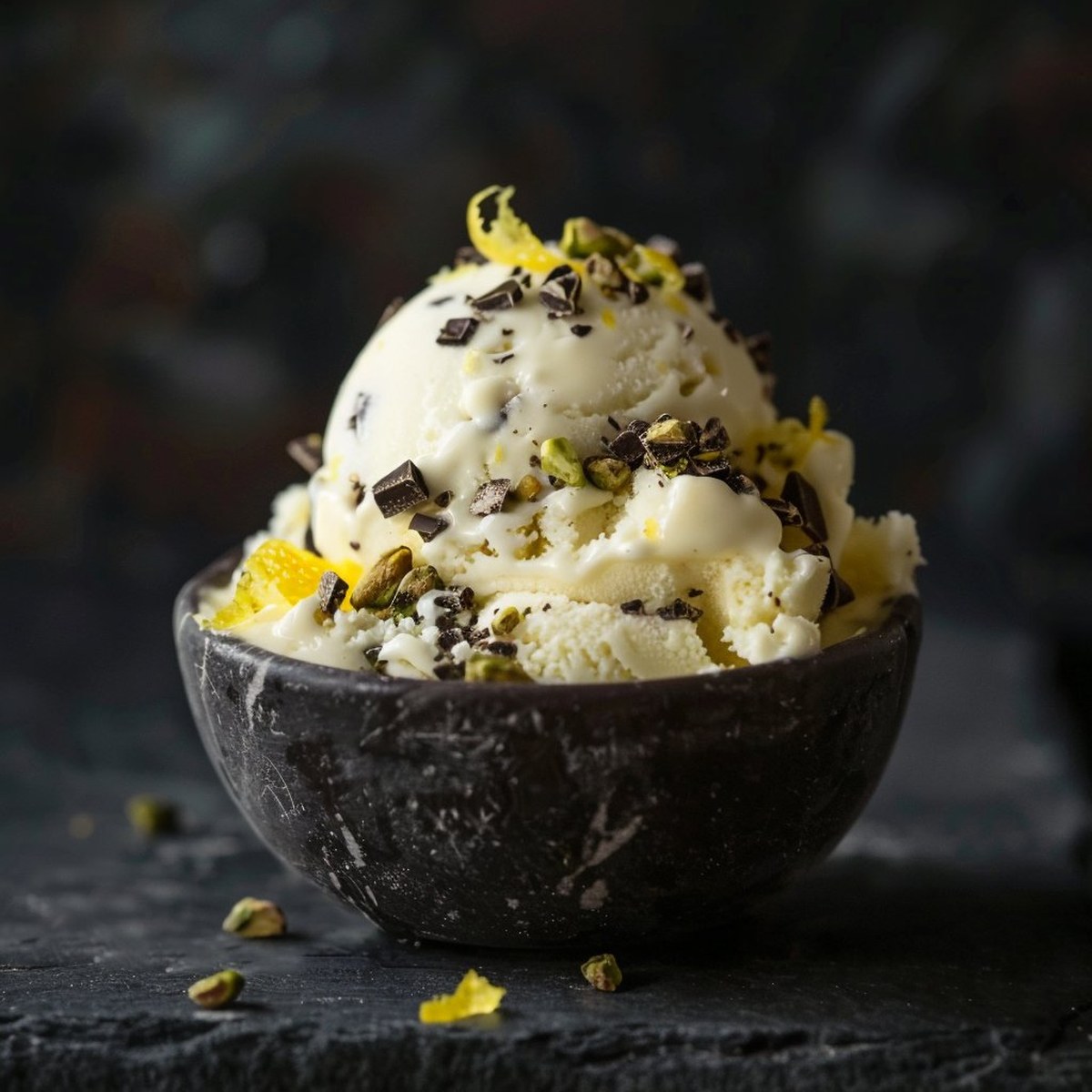
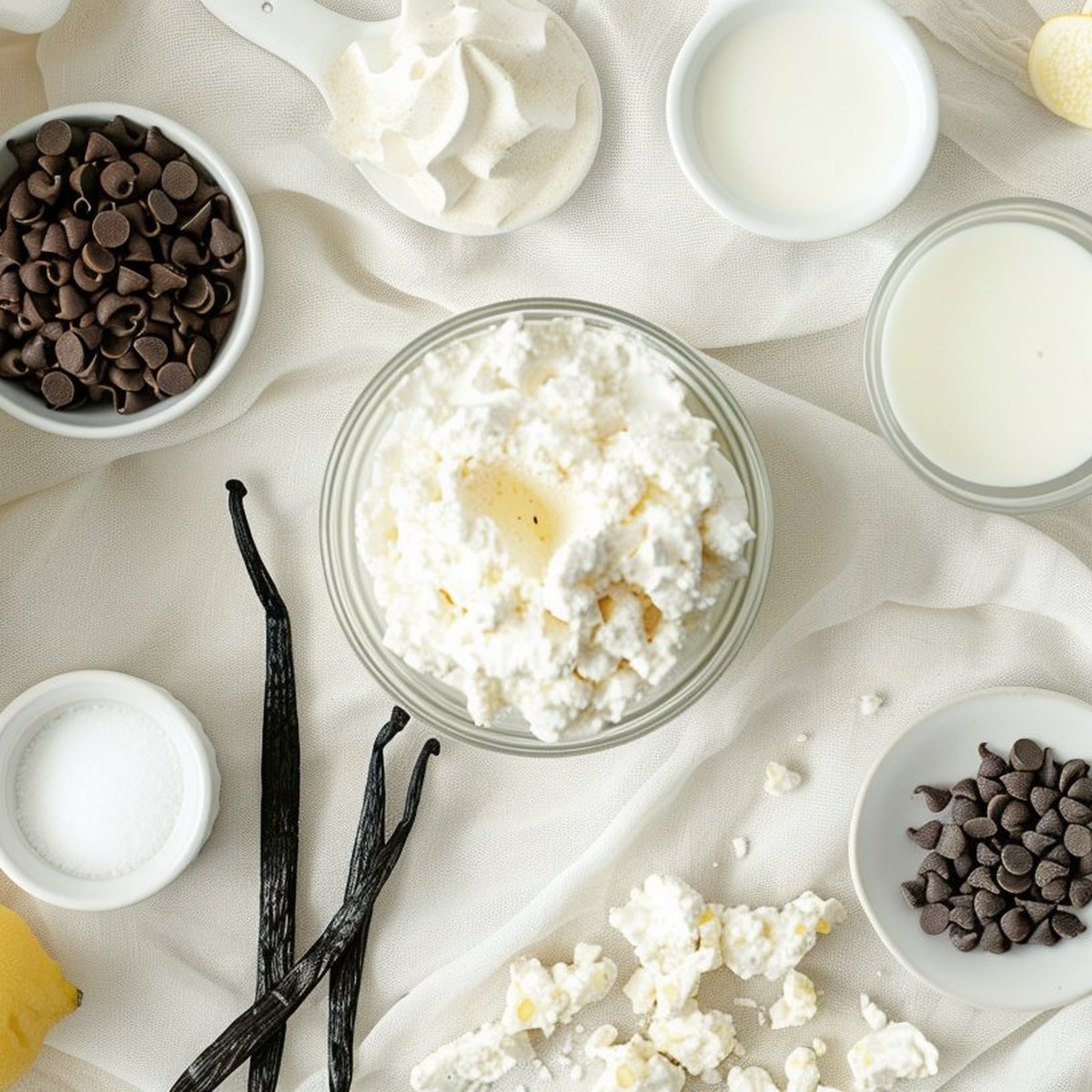
Cassata gelato is the "essence" of Sicilian cassata reduced to its key flavors: drained ricotta (12 hours, the base), Ceylon cinnamon and vanilla (oriental aromas), dark chocolate chips and candied lemon peel (crunchy contrasts). No sponge cake in the pint: starch ruins in freezer. Result: an ice cream with cassata DNA, in modern format.
Industrial ricotta has 70-75% water: without 12-hour draining it comes out grainy. For very moist ricottas (plastic supermarket tubs), 18 hours. Ceylon cinnamon is more delicate than Cassia (Chinese): if you only have Cassia, halve the amount.
Sicilian cassata has Arab origins. The name comes from "qas'at", Arabic for bowl, referring to the shape of the container in which it was prepared. The Arabs brought to Sicily (827-1091) ricotta, cane sugar, almonds, candied citrus — all cassata ingredients.
In the Middle Ages cassata was enriched with sponge cake (introduced from Frederick II court cuisine) and royal paste (almonds + sugar, already in One Thousand and One Nights). In the 19th century dark chocolate arrived. The "modern" form — sponge cake covered with green royal paste, with sweetened ricotta, candied fruits and chocolate — was established in 1873 by Palermo pastry chef Salvatore Gulì.
Transforming cassata into ice cream is an exercise in "essence": reducing the complex cake to its key flavors. Drained ricotta (the base), cinnamon and vanilla (oriental aromas), dark chocolate chips and candied lemon peel (the crunchy contrasts). No sponge cake in pint (starch ruins in freezer). Result: an ice cream with the soul of cassata in 30 grams per teaspoon.
Industrial ricotta has 70-75% water. Too much for ice cream — free water freezes in large crystals and gives graininess. Solution: drained ricotta.
12 hours in fine sieve in fridge eliminate 15-20% of weight (50g approximately per 250g initial). Ricotta goes from 75% water to 60-65%. It's the ratio used in Sicily for cannoli. Without draining, the cannolo "wets" the shell. Without draining, ice cream goes grainy.
Sieving after draining is crucial. Industrial ricotta has 1-3mm protein lumps. Without sieving, ice cream comes with "white dots" — they're the unsmelted lumps, unpleasant to palate. Sieved twice (with teaspoon, pressed in fine sieve), ricotta becomes a smooth cream that mixes perfectly.
Pasteurization at 85°C: besides microbial safety, denatures caseins and improves structure. Pasteurization + ricotta cooking + sieving = professional gelateria recipe, in domestic version.
"Sheep Cassata" version: use sheep ricotta (50% of total, mixed with cow ricotta). More intense, slightly goaty, ancient authentic Sicilian. Higher cost, maximum authenticity.
"Catania Cassata" version: add chopped Bronte pistachio (20g, final MIX-IN). + green Sicilian eastern flavor. "Etnea" gelateria of Catania does it like this.
"Easter Cassata" version: add 10g orange flower water + 5g candied orange peel. It's the cassata "festively dressed" served in Sicilian homes on Easter day.
"Vegan Cassata" version: cashew ricotta (200g cashews soaked 4h + 50g water + 5g lemon juice, blended to cream). Add vegan dark chocolate chips and natural candied fruits. Reproduces traditional version surprisingly well.
"Modernized Cassata" version: ricotta base ice cream + bitter orange jam variegato (instead of peel). Softer, less "rustic chic", suitable for more formal dinners. By reducing candied fruits, cassata becomes "alla milanese".
In Sicily cassata is served after dinner, with strong espresso. For cassata ice cream, same rule: very strong Italian coffee balances ricotta sweetness.
Classic Sicilian accompaniments: • Marocchino coffee (espresso + bitter cocoa + hot milk) — the Sicilian combination • Sweet Marsala DOC wine — Sicilian wine par excellence • Lemon granita (small glass alongside) — refreshment between spoonfuls
"Sicilian trattoria" presentation: scoop (60g) in terracotta cup. Cinnamon powder dusted on top. 1 slice of candied lemon peel as decoration. 2 Bronte pistachio kernels. Rural elegance.
For "Sicilian Easter dessert": cassata ice cream + a piece of Easter dove + coffee. The trinity of family Easter dessert.
Important: serve at -10/-12°C, not colder. Ricotta frozen below -15°C "loses" creaminess and becomes "icy". Take out of freezer 5-10 min before.
"Comes out grainy/crystalline": you didn't drain ricotta enough. 12 hours in sieve are the MINIMUM. For very moist ricottas (those in plastic supermarket tubs), 18 hours. Test: after draining, the sieve must have collected at least 30-40g of whey.
"Tastes like "cooking" not dessert": you cooked the base too long. Pasteurization is 85°C maximum for 1 minute. Above, caseins denature too much, "over-cooked ricotta" taste. Probe thermometer mandatory.
"Candied fruits sink in base, don't distribute": you added candied fruits to liquid base. WRONG. Candied fruits go AFTER first spin, as MIX-IN. Below liquid level, they sink.
"Cinnamon flavor too strong/too weak": fresh cinnamon powder is 3× more potent than that opened months ago. If yours is old, double the quantity. If very fresh (e.g. ground from high-quality Ceylon cinnamon sticks), halve it.
Cassata ice cream has relatively short useful life: 7-9 days at -18°C. Ricotta, even drained, contains milk proteins that after a week begin developing unpleasant "dairy-aged" notes (aged cheese).
For optimal consumption: prepare Tuesday, consume by Sunday. If leftover after Sunday, taste isn't "gone bad" but no longer at best.
Strategy: prepare 1 pint at a time. Don't meal-prep extensively like for piña colada or sacher. Cassata wants freshness.
If you have guests Saturday evening: prepare Friday afternoon (24h before), process Saturday afternoon, serve Saturday evening. Maximum creaminess and flavor.
Other recipes in the same category you might like
Join our Facebook group: the first international multilingual community dedicated to Tefal Dolci, Moulinex Dolci and Ninja Creami Deluxe. Every day, enthusiasts from Italy, France, Germany, Spain, Czech Republic, UK, USA and Australia post new recipes, solve technical problems, share their results. Technical livestreams with Stefano. Join now: the community is growing fast, become one of the pioneers.
Join the Group →